


Dreaming of a New Life? Six Tantalising Countries for Your UK Retirement
Retirement is, for many, an opportunity for a complete reinvention. After decades of the 9-to-5, why not celebrate by starting a new chapter somewhere new? With the UK's high cost of living, the appeal of a permanent home on foreign shores—especially one with sun, culture, and a more relaxed pace of life—is clearer than ever.
But where to go? Despite the administrative hurdles of Brexit, Europe remains the most attractive destination for UK retirees, according to the Global Retirement Report from Global Citizen Solutions (GCS).
Today's retirees are looking for the full package: excellent healthcare, safety, cultural depth, political stability, and solid infrastructure. As GCS notes, "Europe delivers it all."
Let's explore some of the most interesting countries that UK citizens are flocking to.
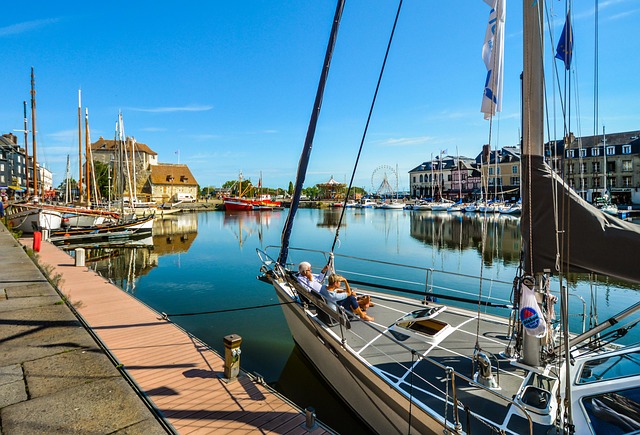
1. Portugal
It's no surprise that Portugal tops the GCS retirement report. It scores highly for quality of life, personal safety, and a clear route to citizenship.
• Benefits & Advantages: The famous Algarve coastline offers a stunning backdrop, but the appeal is more than just scenic. Retirees report a better quality of life for less money, with affordable local food, lower energy costs, and access to high-quality healthcare. Plus, there is no inheritance tax for direct family members.
• Investment Needs: The most common route is the D7 visa, which requires a minimum passive income of €870 per month. You will also need to show proof of valid health insurance.
• How it Works: The D7 visa allows you to travel freely across the Schengen area. After five years of residency, you can apply for permanent residency and, eventually, citizenship. Be warned: retirees who have made the move caution that the admin can be "utterly painful," with long delays for healthcare numbers and residency cards.
• Property: The central Algarve (e.g., Vale do Lobo) is priciest, with villas starting from €700,000. The western Algarve (e.g., Lagos) is more affordable, with villas from €500,000, while the eastern Algarve (e.g., Tavira) offers a more "authentic" experience and even lower prices.
2. Spain
Spain remains the most popular European destination overall, with 108,000 UK retirees calling it home.
• Benefits & Advantages: Spain offers a fantastic combination of sun, a familiar expat infrastructure, and on-site facilities like swimming pools and golf courses, particularly in the popular costas.
• Investment Needs: The Non-Lucrative Visa is the standard path for retirees. It requires you to prove a minimum annual income of €28,800.
• How it Works: The visa costs around £550 and is valid for one year, but it's renewable. It grants you long-term residency and, after you've been settled for a year, access to the Spanish public healthcare system.
• Property: On the Costa del Sol, a typical budget for an apartment at a resort is around €370,000. While Brexit has created some uncertainty, areas in Mallorca like Pollensa are still considered to offer excellent value.
3. Malta
If you're worried about a language barrier, Malta could be the perfect solution. English is one of its two official languages.
• Benefits & Advantages: Malta is a very sociable island with a large, welcoming international community. A significant benefit is the Malta Retirement Programme (MRP), which offers a 15% flat tax on remitted foreign pensions.
• Investment Needs: To qualify for the MRP, you must be at least 55, demonstrate a passive income, and own or lease a property, making Malta your main residence.
• How it Works: The application process costs between €5,500 and €6,000. As one retiree noted, the process is straightforward but can be lengthy, taking 18-24 months to complete. Thanks to an agreement with the UK, some retirees can get an "NHS entitlement," though additional private cover is often needed.
4. France
The allure of la vie en rose is still strong for UK retirees, who are drawn by the slower rhythm of life and affordability in its rural regions.
• Benefits & Advantages: France offers incredible value, especially if you're looking for a character house with land and a pool. The lifestyle is relaxed, and the country offers immense cultural and gastronomic depth.
• Investment Needs: There is no specific "retirement visa." The most common route is the long-stay visa (visa de long séjour). You must provide proof of:
• Sufficient Income: You must prove you can "financially support yourself." This isn't a vague promise. You generally need to show a stable, passive income (like pensions) that meets or exceeds the French minimum wage (the 'SMIC'). This is a significant financial threshold and the single biggest filter.
• Comprehensive Health Insurance: You must buy a full private health insurance policy for at least your first year, proving you won't be a burden on the French state.
• Accommodation: You must provide proof of where you will be living in France (a rental agreement or property deed).
• The Admin: The application process itself is bureaucratic. It must be completed and approved from the UK before you move, and involves a lot of very specific paperwork.
• Property: Budgets vary dramatically by region. In Lot-et-Garonne, you can find beautiful homes for €250,000-€500,000. Go further north to Deux-Sèvres, and the average price drops to around €135,000. For the sought-after Provence lifestyle, you'll need a budget closer to €1 million.
5. Italy & Greece (The Dolce Vita)
• Italy: If you dream of la dolce vita, Italy's Elective Residence Visa is your ticket. It's for those who can support themselves without working and requires a minimum annual passive income of €31,000.
• Greece: A fantastic and increasingly popular option, Greece offers a Standard Retirement Visa for those with a passive monthly income of at least €2,000. The biggest draw? A 7% flat tax on your overseas pension for 15 years.

Key Questions Answered
What Happens to My UK State Pension?
This is the most common—and most important—question. Here's the good news:
If you move to any country in the EU, EEA, or Switzerland, your UK State Pension will not be frozen.
You will continue to receive your pension, and it will be "uprated" each year in line with the increases paid in the UK (often known as the "triple lock"). You can have it paid into a UK bank account or a local bank account in your new country (in the local currency). You must inform the International Pension Centre of your move.
This is a huge advantage over retiring to other popular countries, such as Australia, Canada, or New Zealand, where the UK State Pension is "frozen" at the rate it was when you first left, with no future increases.
What About Healthcare?
Post-Brexit, you cannot simply rely on your EHIC card.
• Visa Requirement: All long-stay visas (like the D7 or Non-Lucrative) will require you to prove you have comprehensive private health insurance for your first year.
• Public System: Once you have secured legal residency in your new country and are registered (e.g., paying into the social security system), you can often gain access to the public healthcare system, just like a local.
• Private Top-Up: Many retirees choose to keep a private plan, which costs roughly €120-€400 a month. This often provides faster access to specialists and English-speaking doctors.

What About... Beyond Europe?
If Europe isn't for you, countries like Thailand and Malaysia have dedicated retirement visa programmes. For those with deeper pockets, Barbados offers a "Special Entry and Reside Permit" (SERP) for over-60s who invest a minimum of $2 million, offering significant tax advantages.