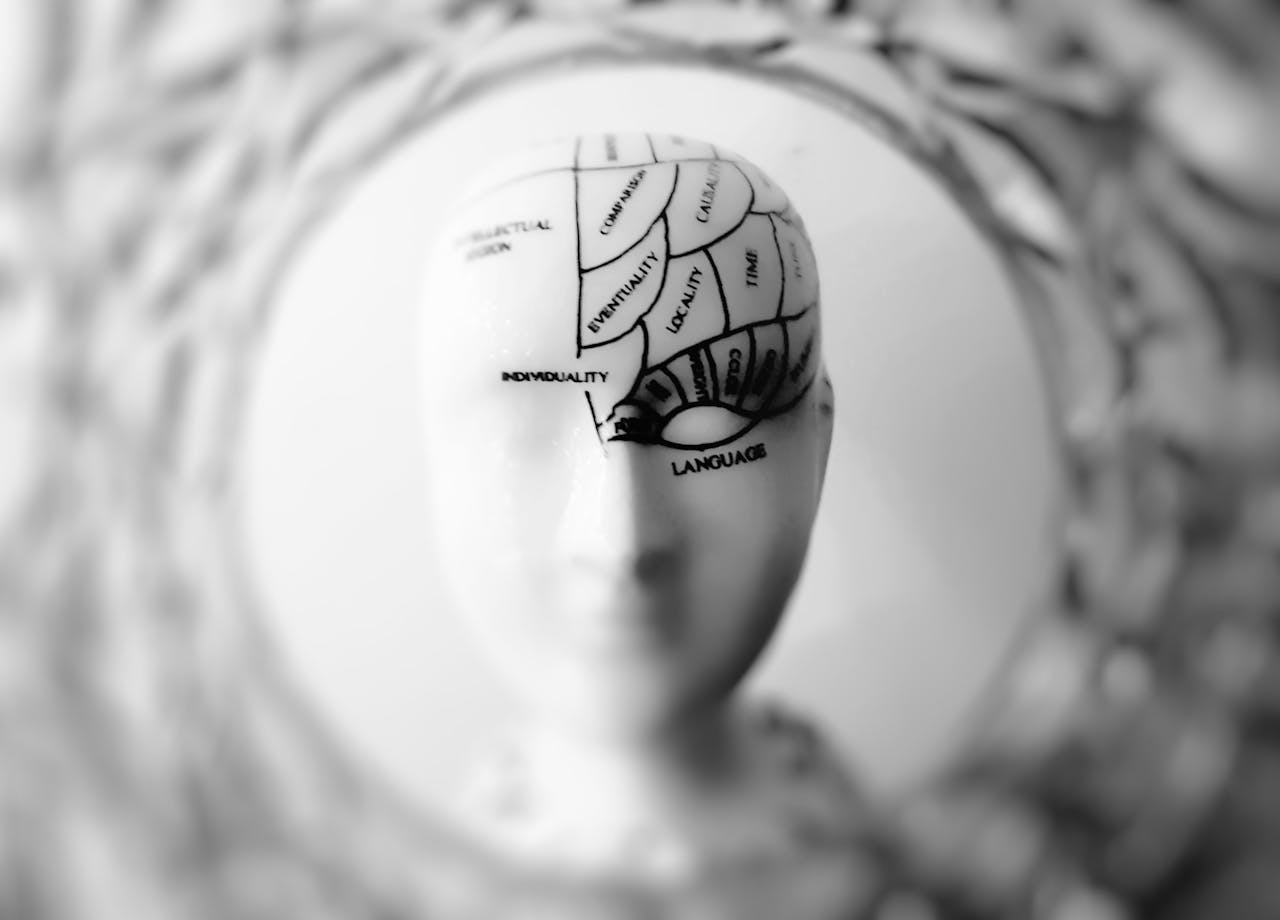


Neural pathways and cognitive reserve
We think of fitness as something that happens in gyms and on bikes. But increasingly, people are extending that definition to include the organ that quietly drives everything else: the brain. The emerging concept is simple and surprisingly empowering: cognitive reserve — the idea that the brain can build and store capacity that supports creativity, clarity, decision-making and resilience over a lifetime.
It’s not about brain games or competitive Sudoku. Cognitive reserve grows through novelty, challenge and complexity — the same ingredients that make life interesting. A beginner’s language course, a cooking apprenticeship, guitar lessons, chess strategy, a sailing qualification, a writing group, or a photography workshop all count. So do travel, social learning, and certain types of work.
The mechanism is elegant: the more the brain learns, adapts and solves, the more neural pathways it builds. The more pathways it builds, the bigger the reserve it has to draw on. And unlike physical possessions, reserve doesn’t depreciate in a drawer. It becomes part of how you think and who you are.
There is also a joy component. Learning as adults is fundamentally different from learning as children. Children learn because they have to; adults learn because they want to. The result feels less like homework and more like enrichment. Skill acquisition becomes a source of identity and confidence, not a test score.
Mental fitness also benefits from social complexity — the simple act of navigating conversation, humour, storytelling, problem solving, shared planning, and collective learning. Choir rehearsals, community theatres, language meetups and hiking groups all contribute. You don’t need to measure your neural network to feel the lift.

Improving both current and future performance
New research suggests that cognitive reserve isn’t just a future hedge; it improves present performance. People who take on new challenges report better concentration, faster retrieval, improved planning, and a noticeable uptick in creative problem-solving. It’s not about IQ; it’s about agility.
The digital world, for all its flaws, has opened extraordinary access to skills once locked behind geography or tuition. Architecture lectures, music theory, photography masterclasses, culinary workshops, philosophy seminars and language conversation rooms are available to anyone with curiosity and 90 spare minutes a week.
There is also a movement toward what might be called mindful effort — hobbies and projects that require attention, iteration, and feedback. Drone photography, woodworking, writing workshops, ceramics, sourdough baking, chess, or building a personal documentary film all demand patience and practice. They stretch the mind in ways that passive entertainment simply cannot.

Cognitive reserve isn’t about being clever — it’s about staying curious.
Travel plays a quiet supporting role. New places disrupt routines, introduce unfamiliar systems, and require new mental maps. Even short trips — two days in a new city — generate novelty and complexity that strengthen mental fitness. The point isn’t tourism; it’s exploration.
If there is a secret to cognitive reserve, it’s that it rewards breadth as much as depth. A person doesn’t need to become an expert in anything. Being a curious generalist seems to work beautifully. The brain wants movement — between skills, ideas, disciplines and social settings.
Work can also contribute. Projects that demand collaboration, creativity, problem solving or negotiation feed the same pathways as hobbies. People who transition out of intense jobs sometimes miss the cognitive workout more than the paycheck. Post-career or mid-career pivots into creative or advisory roles can restore that stimulus without the stress.
Mental fitness isn’t a crusade. It’s a lifestyle choice — train the brain the way you’d train a muscle: consistently, enjoyably, and with enough novelty to spark adaptation. The payoff is immediate, and the compounding is long-term. Future you will be grateful, but present you gets most of the benefits.
HOW TO BUILD RESERVE
Learn Something New:
Languages, instruments, writing, cooking, design, coding, photography.
Do it Socially:
Conversation, collaboration and humour create extra cognitive load (the good kind).
Mix Difficulty Levels:
Easy wins for confidence; harder projects for adaptation.
Engage the Senses:
Travel, food, craft, music and movement all boost cognitive richness.
Practice Retrieval:
Telling stories, teaching others, performing, presenting — all strengthen memory pathways.