

Cholesterol: Friend or Foe? What’s Next in Heart Health?
|RetirePlan Health & Wellnes| July 2025
Cholesterol has long been cast as the villain in heart health, clogging arteries and triggering heart attacks. But is it really that simple? As new treatments like VERVE-102 begin human trials, it’s a good moment to rethink what we know—and what’s changing fast—about cholesterol, statins, and the future of cardiovascular prevention.
What Is Cholesterol, Anyway?
Cholesterol is a waxy, fat-like substance found in every cell of the body. It’s essential for building cell membranes, producing hormones like estrogen and testosterone, and even helping the body make vitamin D.
So far, so good. The trouble starts when there’s too much of certain types of cholesterol in the blood.
- LDL (Low-Density Lipoprotein): Often dubbed “bad cholesterol.” High levels can lead to plaque buildup in arteries.
- HDL (High-Density Lipoprotein): Known as “good cholesterol.” It helps remove excess cholesterol from the bloodstream.
- Triglycerides: Another type of blood fat that can raise heart disease risk when elevated.
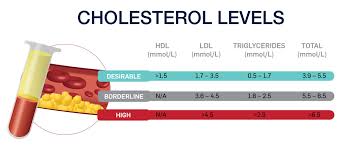
The NHS recommends checking cholesterol levels regularly from age 40 onward (or earlier if you have risk factors like diabetes, high blood pressure, or a family history of heart disease).
Statins: Miracle Drug or Blunt Instrument?
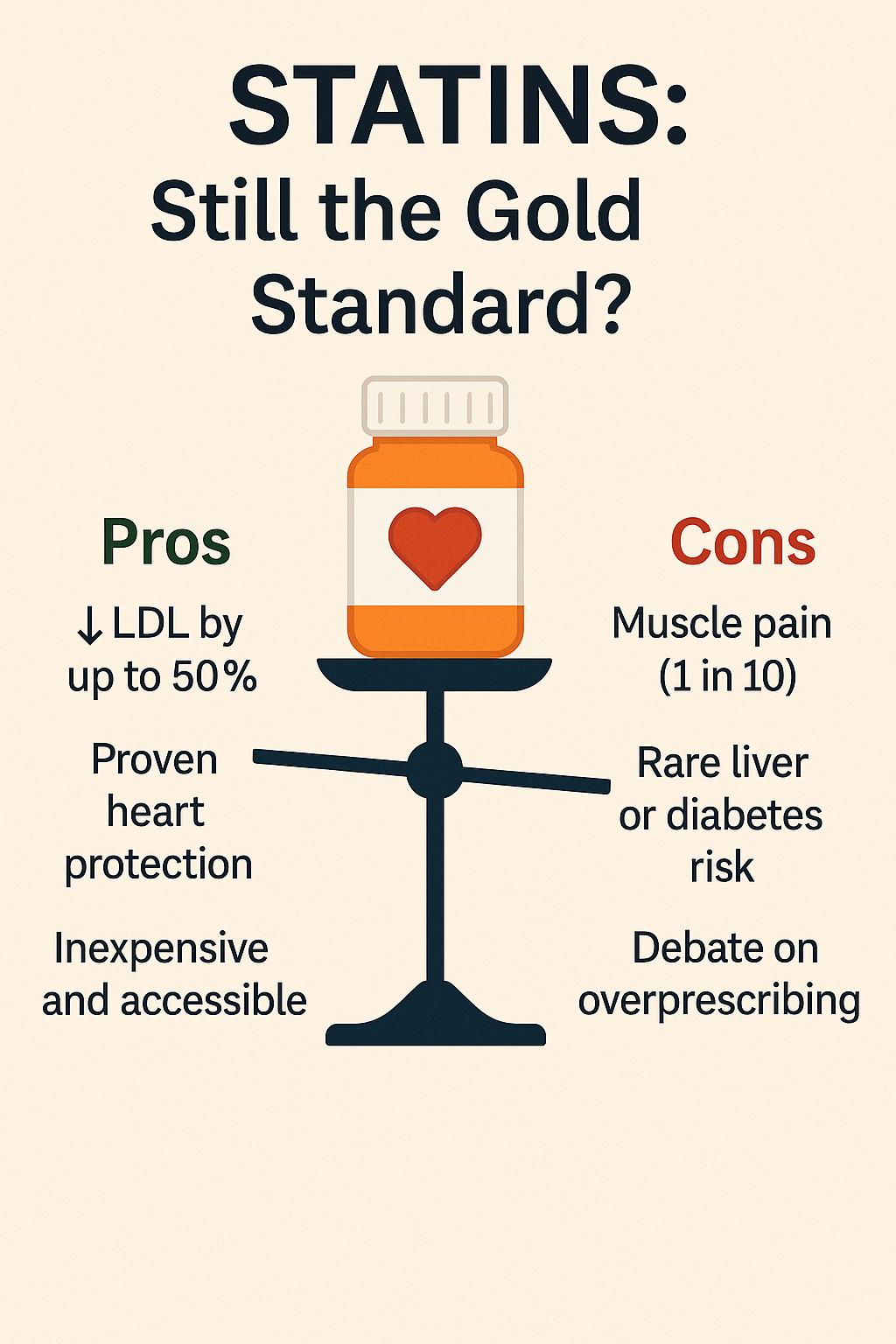
Statins are the most prescribed cholesterol-lowering drugs in the world. They work by blocking a liver enzyme involved in cholesterol production, helping lower LDL levels by up to 50%.
The Benefits
- Proven to reduce the risk of heart attack, stroke, and cardiovascular death
- Especially effective for people with known heart disease or diabetes
- Widely available and inexpensive
The Concerns
- Side effects: Around 1 in 10 report muscle aches, fatigue, or digestive issues
- Rare but serious risks include liver damage and type 2 diabetes
- Some critics argue statins are overprescribed for people at low to moderate risk
A 2022 meta-analysis published in The Lancet reaffirmed statins’ benefits in high-risk patients, but called for more personalised risk assessments for others.
A Glimpse Into the Future: VERVE-102 and Gene Editing
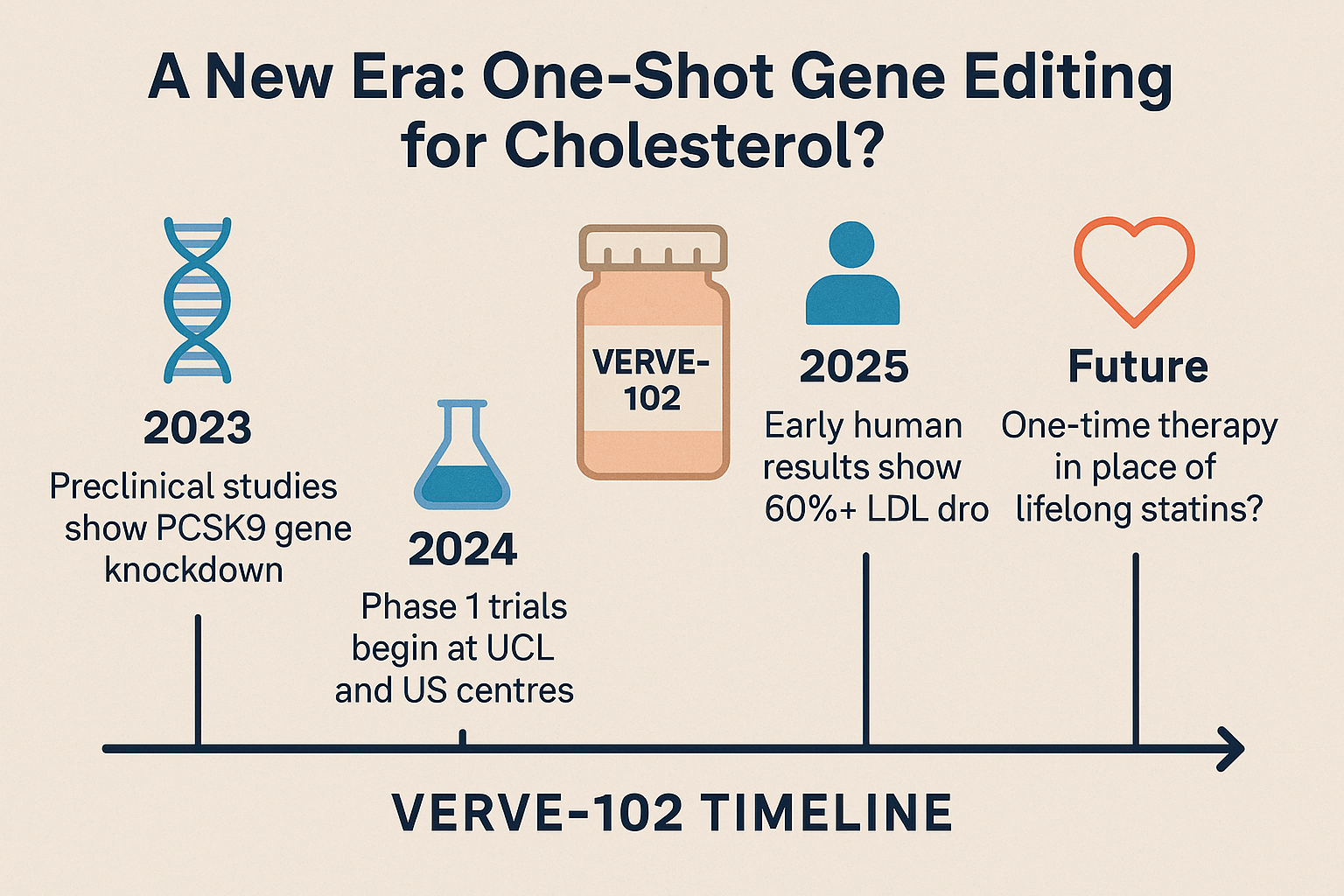
In a groundbreaking development, scientists at University College London (UCL) are involved in trials of VERVE-102, a one-time gene-editing injection designed to permanently turn off a gene (PCSK9) that drives high cholesterol.
What is VERVE-102?
- It uses CRISPR base editing, a precision gene-editing technology
- Targets and deactivates the PCSK9 gene in liver cells
- PCSK9 inhibitors are already used as injectable drugs (like Repatha), but VERVE-102 aims to offer a one-shot solution
The Early Promise
- In animal and early human studies, it reduced LDL cholesterol by more than 60%
- Could revolutionise treatment for those with inherited high cholesterol or who can’t tolerate statins
- May only need to be given once in a lifetime
But…
- Still in early-phase trials
- Long-term safety and cost are unknown
- Ethical and regulatory concerns around gene editing remain
“This is potentially a game-changer,” said Professor James Leiper, Associate Medical Director at the British Heart Foundation. “We could be entering an era of once-and-done treatments for heart disease.”
What You Can Do Now
While the future looks exciting, most of us still need to manage cholesterol the traditional way:
- Get tested: Ask your GP for a lipid profile
- Eat smart: Reduce saturated fats (red meat, processed foods) and boost fibre, nuts, oily fish
- Move more: Aim for 150 minutes of moderate activity weekly
- Quit smoking and cut alcohol
- Talk to your doctor: Statins or alternatives may be the right step if your risk is high
The Bottom Line
Cholesterol isn’t all bad. But too much of the wrong kind remains a leading risk for heart disease—the UK’s biggest killer. Statins have saved countless lives, but they’re not perfect. New treatments like VERVE-102 could change the game, especially for those with genetic conditions or who struggle with side effects.
In the meantime, knowledge, lifestyle, and regular checkups remain your best defence.
Footnotes / Sources
- The Lancet (2022). “Efficacy and safety of statin therapy: a meta-analysis of data from 170,000 participants.”
- UCL & Verve Therapeutics (2024–25): First-in-human trial of VERVE-102
- NHS (2024). “Cholesterol – NHS Information and Guidelines.”
- British Heart Foundation (2025). Interview with Prof. James Leiper.